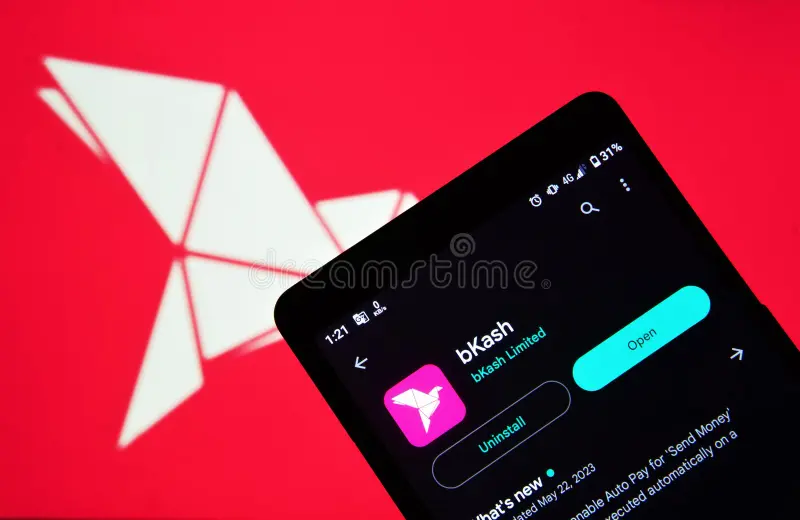
Bangladesh is in the midst of a fintech revolution. The country has largely leapfrogged traditional credit card infrastructure in favor of Mobile Financial Services (MFS). Platforms such as bKash, Nagad, and Rocket have become deeply embedded in everyday life, processing millions of transactions daily. This widespread adoption of mobile wallets has fundamentally reshaped the digital services economy and influenced how online platforms design promotions and payment experiences.
A Frictionless Digital Ecosystem
Historically, accessing online offers often required a bank account or credit card—barriers that excluded a significant portion of the population. The rise of MFS has dramatically changed this landscape. Today, users can register, verify their identity, and complete transactions using only a mobile number.
For digital platforms—particularly those operating in entertainment, gaming, and subscription-based services—deep integration with mobile wallets is no longer optional. Seamless MFS integration reduces onboarding friction, simplifies verification through existing KYC processes, and enables near-instant crediting of promotional balances.
The Strategy Behind Micro-Bonuses
This infrastructure has encouraged a shift toward smaller, more accessible promotional incentives. Large bonuses with complex conditions or high usage requirements often feel unrealistic to the average user. In contrast, modest incentives align better with Bangladesh’s micro-transaction economy.
This is why search behavior around phrases such as “100 free bonus on registration bd” has gained visibility. The term reflects a preference for simple, fixed-value registration incentives that mirror everyday transaction sizes commonly used in mobile wallets. Amounts like 100 units feel tangible because they match the denominations people regularly use for mobile top-ups, bill payments, or peer-to-peer transfers, making such offers easier to understand and assess.
Economic Awareness and User Caution
When global financial news surfaces, users naturally become more selective about where they spend their money. Reports about US states most at risk for economic shifts remind people to evaluate whether a digital platform is dependable before registering. In such conditions, even smaller bonus amounts carry more weight, as users prioritize trust, stability, and transparency over high-value but uncertain incentives.
Speed as a Trust Signal
In Bangladesh’s fast-moving digital environment, speed itself has become a key trust signal. Instant confirmations, immediate balance updates, and timely withdrawals reinforce the perception that a platform is reliable. When transactions occur smoothly through familiar MFS providers, users are more likely to feel confident that the service operates transparently.
This expectation has raised standards across the digital services sector. Platforms that fail to deliver fast and seamless payment experiences risk losing credibility, regardless of how attractive their promotions may appear.
Broader Implications for Digital Services
The success of MFS-driven promotions highlights a broader trend: digital adoption in Bangladesh is shaped less by novelty and more by practicality. Services that respect local transaction habits, preferred payment methods, and user expectations around security are far more likely to build long-term engagement.
As mobile financial services continue to evolve, they will play an increasingly important role in shaping how digital platforms structure incentives, manage user relationships, and establish trust in a competitive online environment.