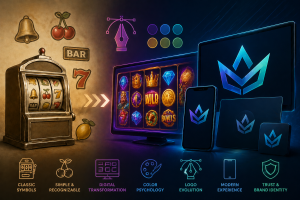
The visual identity of gaming platforms has evolved significantly over time, reflecting broader trends in branding, logo design, and digital aesthetics. What began as simple mechanical symbols has transformed into highly refined visual systems that communicate trust, entertainment, and brand credibility.
This evolution is not just about technology—it’s about how design choices shape perception, influence user engagement, and build long-term brand recognition.
The Early Days: Simplicity in Symbol and Form
In the earliest era of gaming machines, visual design was minimal and functional. Symbols like bells, fruits, and card suits were chosen for their clarity and instant recognition. These elements became some of the first examples of icon-based branding, where simple visuals carried meaning without the need for text.
From a branding perspective, this phase established strong reliance on symbolism over complexity, limited but memorable color palettes, and consistent visual repetition for recognition. These principles still influence modern logo design today.
The Digital Shift: Expanding Creative Possibilities
As digital interfaces replaced mechanical systems, designers gained the freedom to experiment with color, typography, and motion design. This shift marked the beginning of brand storytelling through visuals.
Logos and interfaces became more than identifiers—they became experiences. Designers started using vibrant and contrasting color palettes to attract attention, layered visual elements for depth, and more refined brand personalities through design styles. This era showed how digital environments allow brands to move beyond static visuals into immersive identity systems.
Transition to Online Platforms: Consistency Across Devices
With the rise of web and mobile platforms, design priorities shifted toward responsiveness and consistency. Brands now needed to maintain a unified identity across multiple screen sizes and devices.
For many modern users, the platform experience is just as important as the visual design itself. The casino Ice platform, for example, reflects how digital platforms integrate clean interfaces, cohesive branding, and structured visual systems to present a wide range of themed content in a consistent way.
From a branding standpoint, this phase emphasizes cross-platform design consistency, clean UI aligned with brand identity, and structured layouts that improve user experience.
Modern Design Trends: Building Trust Through Visual Identity
Today’s design approach focuses heavily on credibility, professionalism, and emotional connection. Modern platforms use visual elements strategically to build trust and enhance brand perception.
Color psychology plays a major role, where green tones suggest balance and growth, gold reflects premium quality, and darker themes communicate sophistication. Logo evolution has shifted toward minimalist, scalable designs that perform well across digital environments. Visual hierarchy, spacing, and typography are carefully structured to guide user attention and improve usability. Subtle motion and interaction further enhance engagement without overwhelming the experience.
Classic vs Modern Design Approaches
Classic design relied on simple and symbolic visuals with limited color use, while modern design focuses on layered, immersive visuals supported by strategic color psychology. Logos have evolved from detailed elements to minimal and scalable marks. User experience has shifted from static layouts to interactive and responsive systems, with branding now centered on both trust and engagement.
The Future of Design: Personalization and Immersion
Looking ahead, design is moving toward personalized and adaptive experiences. Technologies like AI and immersive environments are influencing how brands present themselves visually.
Future trends include dynamic interfaces that adjust to user preferences, more immersive storytelling, and a stronger focus on user-centered design systems. These innovations will continue to redefine how brands communicate visually.
Why Visual Design Still Matters
Despite rapid technological changes, strong design remains essential for building strong brands. From early symbolic visuals to modern digital systems, thoughtful choices in logos, colors, and layout continue to shape perception and credibility.
Final Thoughts
Modern platforms are not just functional—they are carefully crafted visual ecosystems. Understanding the evolution of design helps brands create more meaningful and credible identities that resonate with users.
Whether through color palettes, logo refinement, or interface clarity, the goal remains the same: to communicate value clearly, consistently, and effectively.