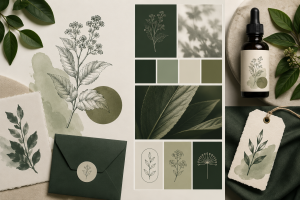
Plants bring a unique, refreshing energy to the modern business world. Creating a look for a plant brand involves matching natural themes with clean design. A smart combination helps companies build trust with their audience immediately.
A strong presentation shows true professionalism and attracts the right customers. Brands need clear layouts to communicate their core values without words. Good graphics keep people deeply interested long after their first look.
Establishing The Leafy Core
Every company requires a central theme to guide its marketing materials. Developing the look means studying how textures and natural shapes fit together perfectly. It lays the groundwork for every box, label, or website page.
When launching a plant business, choosing a cohesive style is the initial step. Much like educators and enthusiasts examining a strain profile and asking, what effects does it produce and how do its characteristics compare with similar varieties, designers evaluate how specific visual elements influence audience perception. A thoughtful layout will separate the company from average competitors.
A solid foundation makes future expansion much simpler for the marketing team. It keeps the message clear across different media channels today. Consistent brand development protects the identity from shifting randomly as the business grows.
pexels photo 15360470
Crafting Muted Color Palettes
Colors spark feelings before anyone reads a single word of text. For plant companies, selecting the correct tones determines the entire mood of the product line from day 1. Choosing a poor color mix can push customers away quickly.
An industry report explained that balancing scientific credentials with sustainability storytelling works best when using an earthy, sophisticated color palette. The direction avoids the standard pinks or bright greens that dominate common stores. Soft shades look premium and modern to retail buyers everywhere.
Muted selections feel grounded and professional to the average buyer. They establish a calm mood that reflects natural growth. The right combination helps the retail product feel high-quality and dependable.
Using Geometry And Abstract Shapes
Nature is rarely perfect, but graphic systems often require order. Merging organic lines with rigid structures creates a striking balance for modern packaging designs. The strategy turns simple drawings into professional logos.
A design review noted that distilling leaves or petals into abstract, geometric forms creates an organic appearance. The method updates traditional plant drawings for modern audiences. It gives the brand a forward-thinking appearance that people enjoy seeing.
Abstract shapes allow for easy scaling on tiny labels or massive billboards. They remain recognizable even at a glance, which helps busy shoppers remember the company. Simple geometry keeps the look clean and sharp.
Implementing Herbarium Logic
Historical plant collections offer great inspiration for modern corporate styles. Using old-school scientific framing makes items look authentic and deeply researched. It connects modern products to traditions.
An industry profile showed that a pattern system built from framed florals extends a classic herbarium logic across various applications. A systematic layout neatly organizes different product variants. It helps buyers distinguish items instantly.
Repeating framed floral elements builds deep familiarity over multiple encounters. Customers begin identifying the grid system with top-tier quality immediately. The structured approach removes confusion during the shopping experience entirely.
Selecting Natural Design Elements
Every element within a graphics package must serve a clear purpose. Combining different plant parts requires careful balance so the layout never feels crowded or messy. Selecting specific items keeps the focus clear for the consumer.
A creative guide pointed out that botanical styling features specific components to construct a cohesive appearance. Some details form the core of the presentation:
- Fine lines outline leaf patterns clearly.
- Muted colors fill the backgrounds neatly.
- Natural shapes define the main structure.
Mixing flowers, leaves, and fruits gives the designers plenty of options for seasonal items. Neutral backdrops hold the pieces together without causing visual clutter. The finished product looks polished, professional, and ready for retail shelves.
Influencing Mood Through Nature
Graphics do more than identify a business; they change how people feel. Using natural imagery triggers positive mental reactions from the very first interaction. It creates a welcoming environment for new buyers.
A printing trend report revealed that seeing natural elements in design can help lower stress and improve mood. A psychological lift builds a positive association with the business. People naturally gravitate toward items that make them feel relaxed and safe.
When graphics reduce stress, shoppers spend more time browsing the catalog. A calm reaction increases brand loyalty over multiple months. Gentle imagery turns a simple daily transaction into a pleasant routine for everyone.
Building a visual system for a plant company takes careful planning and clear guidelines. Designers must balance clean structures with organic elements to capture attention fast. A thoughtful style keeps a business memorable for years.
Investing in professional graphics pays off as the company grows over the seasons. Clear choices in colors, shapes, and patterns define the brand identity safely for years. A strong presentation helps the company thrive in a highly competitive market space.